



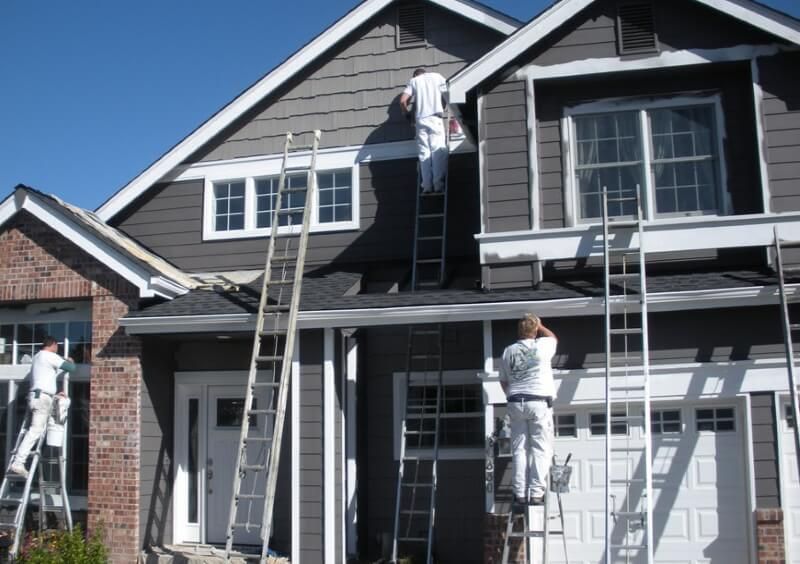
Maintaining the appearance and integrity of your home is crucial, and one effective way to achieve this is by keeping your house painted both inside and outside. While painting certainly enhances the visual appeal of your home, its benefits extend far beyond mere beautification. Painting plays a vital role in safeguarding and preserving the underlying materials, such as wood and other surfaces, from deterioration caused by various external factors. It can also be dangerous and time consuming, so consider hiring a professional like Crown Painting to work with your through the process. Materials & Equipment If you do decide to embark on a house painting project, whether it’s for the interior or exterior, you will need specific materials and equipment. The essentials include paint in the desired color and finish, along with brushes, rollers, and paint trays for application. Drop cloths or plastic sheeting are necessary to protect floors and furniture. Painter’s tape is essential for achieving clean edges. Safety gear like gloves, goggles, and masks should be worn. When it comes to interior vs exterior painting, exterior projects often require additional equipment like ladders, scaffolding, and power washers for surface preparation. Exterior paints also need to withstand weather conditions, while interior paints focus on aesthetics and durability. In addition to personal protective equipment like goggles, gloves, and masks, exterior house painting may require the use of scaffolding or secure ladders to safely access higher areas. Ensuring stable and properly positioned equipment is crucial to maintain balance and prevent accidents while working at heights. A Fresh, New Look Firstly, painting your house enhances its curb appeal and creates a positive first impression. A fresh coat of paint can transform a worn-out or dull exterior into a vibrant, inviting facade that stands out in the neighborhood. The color choice and quality of the paint can significantly impact the overall visual appeal, allowing you to express your personal style and make your home look well-maintained. Additionally, regular painting helps protect the exterior surfaces from the damaging effects of sunlight, moisture, wind, and other weather conditions that can lead to cracking, fading, and peeling. Protective Qualities of Paint Beyond aesthetics, painting serves as a crucial protective barrier against the elements. When applied correctly, paint forms a shield that prevents moisture from infiltrating the underlying materials. This is particularly important for wooden surfaces, as moisture can lead to rot, warping, and decay. By creating a seal, paint acts as a barrier against water, preventing it from penetrating and compromising the integrity of the wood. Moreover, painting helps to prevent the growth of mold and mildew, which can cause health issues and further damage to the structure. Regularly painting the interior of your home is equally important. While the exterior bears the brunt of the elements, the interior is exposed to its own set of factors that can impact the underlying materials. Interior walls, ceilings, and trim can become worn and discolored over time due to everyday activities, such as cooking, cleaning, and general wear and tear. Applying a fresh coat of paint breathes new life into these surfaces, revitalizing the overall atmosphere of your home. Additionally, painting the interior protects the underlying materials from damage caused by humidity, condensation, and even pests. Moisture can seep into walls and ceilings, leading to the growth of mold and compromising the structural integrity of the house. High humidity levels can also cause paint to peel and blister, creating an unsightly appearance. By maintaining a well-painted interior, you create a barrier against these issues, ensuring the longevity and durability of the surfaces. Additional Considerations It’s worth noting that proper surface preparation and the use of high-quality paint are essential for achieving long-lasting results. Before painting, surfaces should be cleaned, repaired, and primed to ensure proper adhesion and optimal coverage. Additionally, using high-quality paints and finishes provides superior protection and durability, reducing the need for frequent repainting. In conclusion, regular painting is crucial for maintaining the integrity of your home, both inside and outside. While the aesthetic benefits are undeniable, painting serves a more significant purpose by protecting the underlying materials from the damaging effects of weather, moisture, and other factors. By investing in proper painting maintenance, you can enhance the curb appeal of your home, preserve its structural integrity, and create a comfortable living environment that stands the test of time.
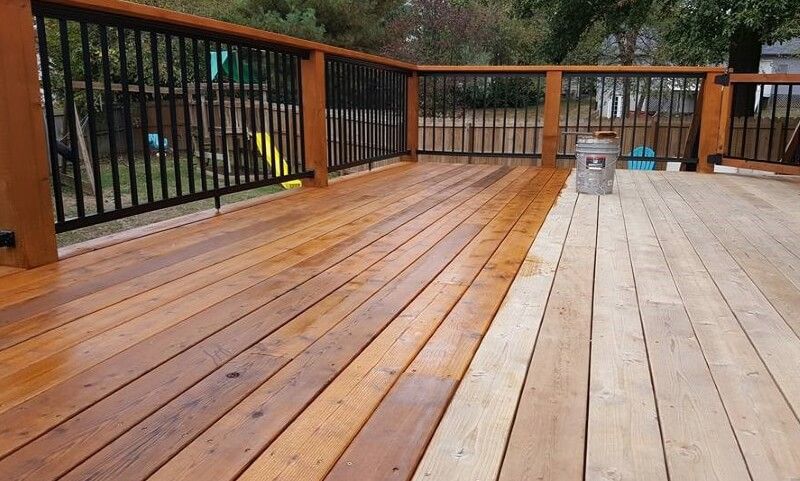
Maintaining the beauty and structural integrity of your wooden fences and decks is essential for ensuring their longevity and functionality. While staining and treating these structures undoubtedly enhance their appearance, their importance extends far beyond mere beautification. There is a fair amount of work involved with the regular staining and treatment for wooden fences and decks, but this regular maintenance plays a key role in preserving the material, preventing rotting, and protecting against damage from bugs and other pests. All of this takes a lot of time, which is why it might make sense to give us a call instead. If you do want to tackle it, here are some things to consider. Materials & Equipment To stain decks and fences, you will need a few essential materials and equipment. Firstly, you will require a high-quality wood stain in the desired color and finish. Other necessary items include a paintbrush or roller for applying the stain evenly, a paint tray or bucket for pouring the stain, and a stir stick to mix the stain properly. You may also need a power washer or cleaning solution to prep the surface before staining. Additionally, drop cloths or plastic sheeting will be necessary to protect surrounding areas, and gloves and safety glasses are recommended to protect yourself during the staining process. Protection from the Elements Wooden fences and decks are exposed to a wide range of external elements, including sunlight, rain, humidity, and temperature fluctuations. These factors can gradually degrade the wood, leading to issues such as rotting, warping, splitting, and discoloration. Regularly staining and treating these structures creates a protective barrier that shields the wood from these harmful elements, significantly extending their lifespan. Rotting: One of the primary benefits of staining wooden fences and decks is the prevention of rot. Moisture is one of the most significant contributors to wood decay, as it creates an environment conducive to the growth of fungi and bacteria. Over time, these organisms can cause the wood to deteriorate, compromising its strength and structural integrity. By applying a quality stain, you create a waterproof barrier that helps repel moisture, preventing it from seeping into the wood and reducing the likelihood of rotting. Insect Damage: Furthermore, proper staining and treatment play a crucial role in protecting wooden fences and decks from insect damage. Certain wood-boring insects, such as termites and carpenter ants, are attracted to untreated wood, as it provides them with a source of food and a suitable environment for nesting. These pests can cause significant structural damage over time, weakening the wood and compromising the stability of the fence or deck. By applying an appropriate stain and treatment, you deter insects from infesting the wood, reducing the risk of costly repairs and ensuring the longevity of the structure. Sun Damage: Additionally, staining and treating wooden fences and decks can help minimize issues related to sun exposure. Ultraviolet (UV) rays from the sun can cause wood to fade, dry out, and become more susceptible to cracking and splitting. A quality stain with UV protection acts as a shield, blocking harmful rays and preventing premature aging and degradation of the wood. By preserving the natural moisture content and integrity of the wood, staining helps maintain its strength and stability. Ongoing Maintenance Moreover, regular staining and treatment offer ongoing maintenance benefits. As wood ages, it naturally weathers and changes color. Applying a fresh coat of stain not only revitalizes the appearance of the fence or deck but also protects against wear and tear. Stains often contain additives that improve durability, repel water, and resist mildew and mold growth. This additional layer of protection ensures that the wood remains in good condition, even when subjected to harsh outdoor conditions. In conclusion, proper staining and treatment of wooden fences and decks are essential for preserving their aesthetic appeal, integrity, and functionality. Regular maintenance through staining provides a protective barrier against moisture, preventing rotting and wood decay. It also acts as a deterrent against insect infestations and guards against sun damage. By investing in the proper care and maintenance of these wooden structures, you can enjoy their beauty, extend their lifespan, and reduce the need for costly repairs or replacements in the future.
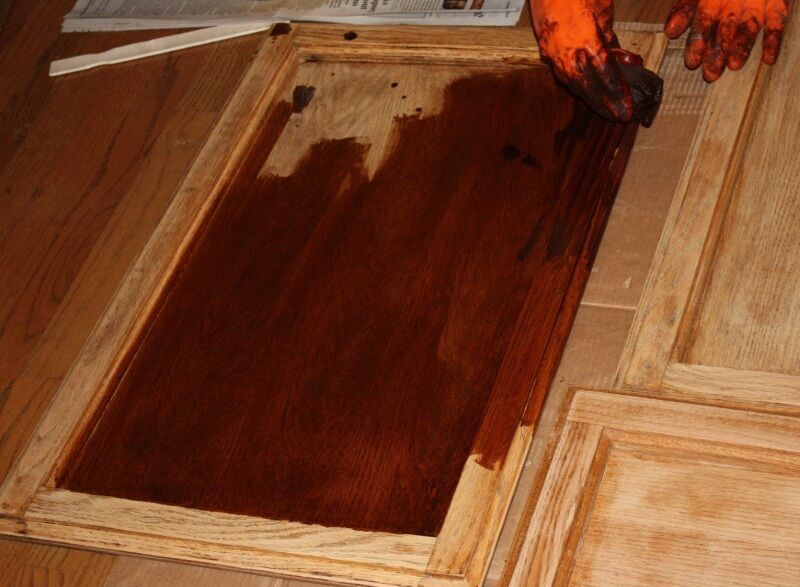
Refinishing kitchen and bathroom cabinets is a transformative process that can breathe new life into these essential spaces. It involves restoring the appearance and quality of the cabinets by stripping off the existing finish, repairing any damage, and applying a fresh coat of paint or stain. Below we explore a little bit of the process and work required to refinish cabinets, highlighting the importance of doing so to maintain the quality of the material and how it can add value to your home. It’s not an easy task to undertake yourself, so you may want to give us a call to help. If you choose to give it a shot, consider the following information. Material & Equipment Needed To refinish cabinets, you will need several types of materials and assorted tools & equipment. Firstly, you will require sandpaper or a sanding block to remove the existing finish and create a smooth surface. A paint or stain stripper may be necessary for stubborn finishes. Next, you will need paint or stain of your choice, as well as brushes or sprayers to apply the new finish. Other essential items include a drop cloth or plastic sheeting to protect surrounding surfaces, painter’s tape for clean edges, and a screwdriver or drill to remove cabinet hardware. Lastly, you may need wood filler or putty to repair any imperfections before refinishing. Preparation Refinishing cabinets typically begins with the preparation stage. This involves removing the doors, drawers, and hardware from the cabinets, ensuring a clean and accessible surface for the refinishing process. The next step is to strip the existing finish. Depending on the type of finish, this may involve using chemical strippers, sanding, or a combination of both. Stripping the old finish is crucial as it allows for a clean and smooth surface to work with. After the cabinets have been stripped, any necessary repairs are made. This includes filling in cracks, dents, or holes with wood filler, and sanding the repaired areas to ensure a seamless and even surface. It’s important to address any structural issues or damage before moving forward to achieve the best results. Applying New Paint or Stain Once the cabinets are repaired and sanded, it’s time to apply the new finish. This can involve either painting or staining, depending on personal preference and the desired outcome. When painting, multiple coats of primer and paint are typically applied, with sanding in between to achieve a smooth and durable finish. Staining involves applying multiple coats of stain, allowing each coat to dry and sanding in between to achieve the desired depth and color. To protect the newly refinished cabinets, a clear topcoat or sealant is usually applied as a final step. Investment In Your Home Refinishing kitchen and bathroom cabinets is an investment that offers several important benefits. Firstly, it allows you to maintain the quality of the material. Over time, cabinets can become worn, scratched, or discolored due to regular use and exposure to moisture and heat. Refinishing restores the appearance of the cabinets, making them look fresh and new again. By removing the old finish and applying a new one, you can effectively protect the wood or other material from further damage and prolong its lifespan. Additionally, refinishing cabinets can significantly enhance the value and appeal of your home. The kitchen and bathroom are key areas that potential buyers often focus on when evaluating a property. Outdated or worn cabinets can detract from the overall aesthetic and make the space feel dated. By refinishing the cabinets, you can modernize the look of these rooms and create a more cohesive and visually appealing environment. This can have a positive impact on the perceived value of your home and increase its market appeal. Furthermore, refinishing cabinets offers a cost-effective alternative to replacing them entirely. New cabinets can be expensive, and the process of removing and installing them can be time-consuming and disruptive. Refinishing allows you to achieve a similar transformation at a fraction of the cost and with less inconvenience. It’s a more sustainable option that minimizes waste and contributes to a more environmentally friendly approach to home improvement. In conclusion, refinishing kitchen and bathroom cabinets involves a thorough process of stripping, repairing, and applying a new finish. This work is essential to maintain the quality of the material and restore the appearance of the cabinets. Refinishing not only extends the lifespan of the cabinets but also adds value to your home by enhancing its overall aesthetic appeal. It offers a cost-effective and sustainable alternative to cabinet replacement, allowing you to achieve a fresh and updated look without the expense and hassle of a full renovation.